
 The Magazine
No. 0119 October 2026
A gain of lightThe living ground beneath your hairSlow-cooked carrots, radiance from withinThe Beguines, pioneers of freedomCartagena, pearl of the CaribbeanSarah’s Key
The Affrenchy Magazine · No. 01
Monday 19 october 2026
A gain of light
The living ground beneath your hair, the secret history of the Beguines, a slow-cooked carrot salad, Cartagena de Indias and Sarah’s Key.
Open the issueIn this issue
- Editorial letterWelcome to our House
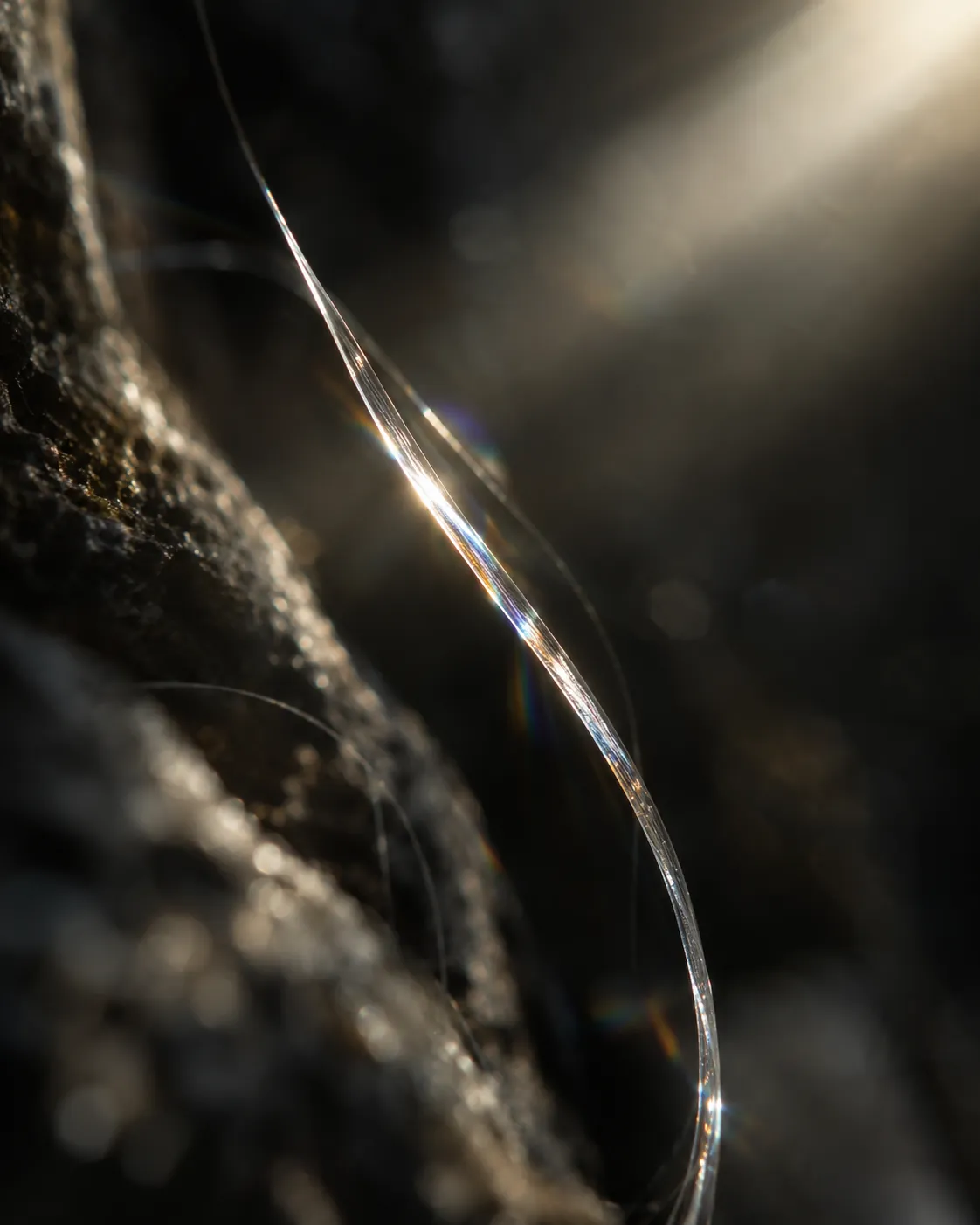 01The Silver CrownThe living ground and the light of silver
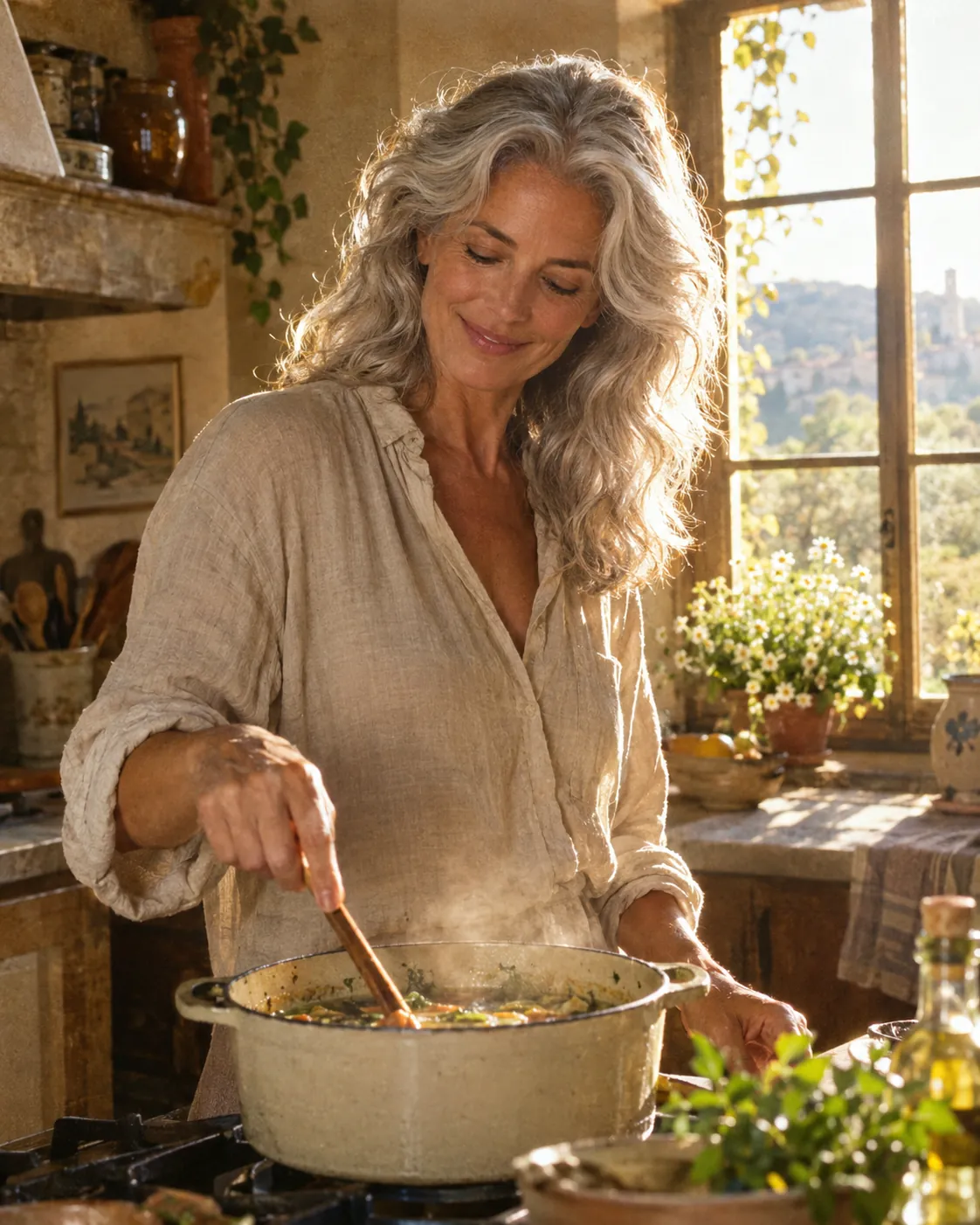 02The SanctuaryNourishing radiance from within
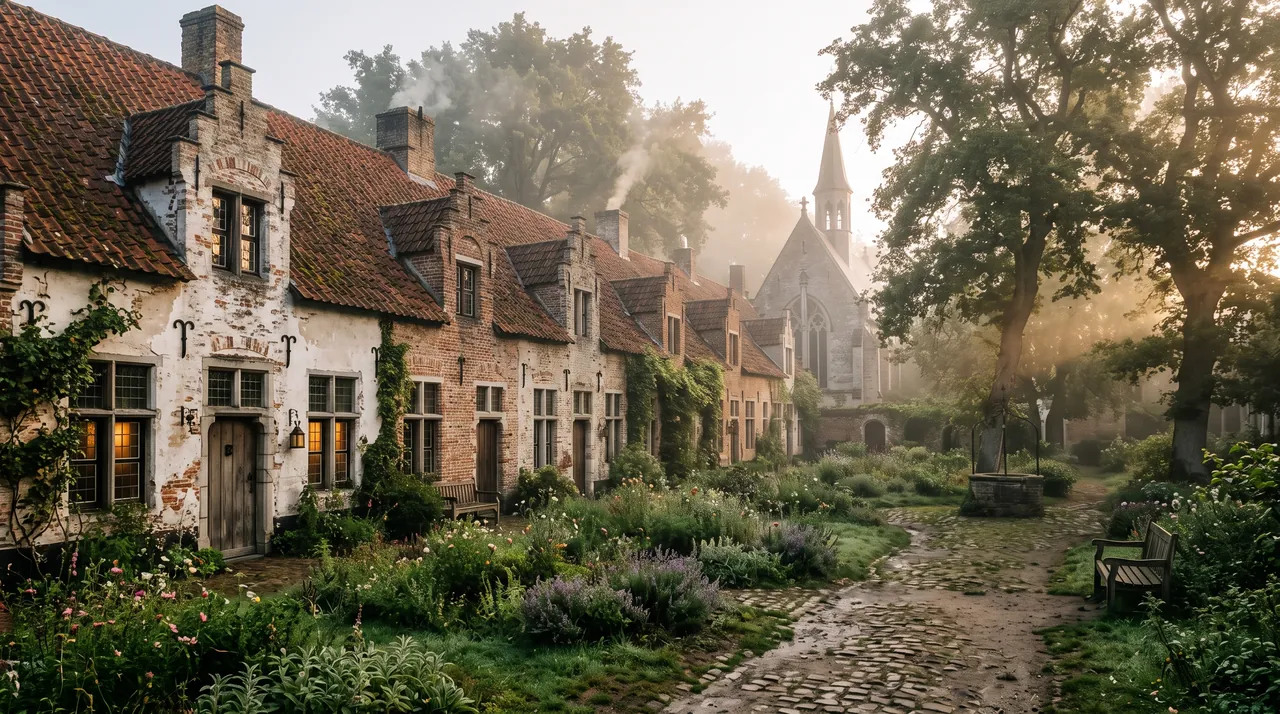 03Art of LivingThe Beguinage, a secret history of women’s emancipation
 04DiscoveryCartagena de Indias, pearl of the Caribbean
 05The Literary CircleThe power of memory and the symbolism of survival
Editorial letter
Welcome to our House
Dear readers, welcome to our House, Affrenchy.
There is an indescribable freedom in choosing to be, fully and authentically, who we are. Affrenchy has its roots in a line of four generations of women: family stories, an unbreakable bond between mother and daughter, and deep transmissions. I wanted to create this space for you, for us.
Our calling is to build the French dermo-cosmetic house devoted to the natural beauty of women who wear their grey and white hair with elegance and pride.
For a long time, history kept white hair in the shadows. Today, our philosophy is expressed in a few powerful words: enhance rather than conceal. We celebrate this hair transition as a true revelation, a gain of light and the mark of absolute elegance.
To accompany you on this intimate journey, I have the immense honour of entrusting you to the care of the woman who taught me everything: my mother, Dr Maritza Flórez, dermatologist and trichologist.
Join the Affrenchy movement by signing up freely to our private community, The Affrenchys. The journey begins today, and we are delighted to share it with you.
With all my love,
Juliana Sofía
Co-founder of Affrenchy

The Silver Crown
The living ground and the light of silver
Beneath your hair lives an entire ecosystem, a precious cycle that has kept time since the very first day.
By Dr Maritza Flórez · Dermatologist and trichologist
Everything begins where the fibre is born: on these few hundred square centimetres of skin, densely populated with follicles and glands. Understanding this intimate world radically changes the way you care for your hair.
A fascinating ecosystem beneath your hair
Like our gut microbiota, the scalp hosts a rich flora in which bacteria, yeasts and fungi live together in a subtle balance. The genera Cutibacterium and Staphylococcus dominate the bacterial sphere, while yeasts of the genus Malassezia occupy the fungal ground. These micro-organisms feed on the sebum produced by the sebaceous glands and actively help to maintain the skin’s protective hydrolipidic film.
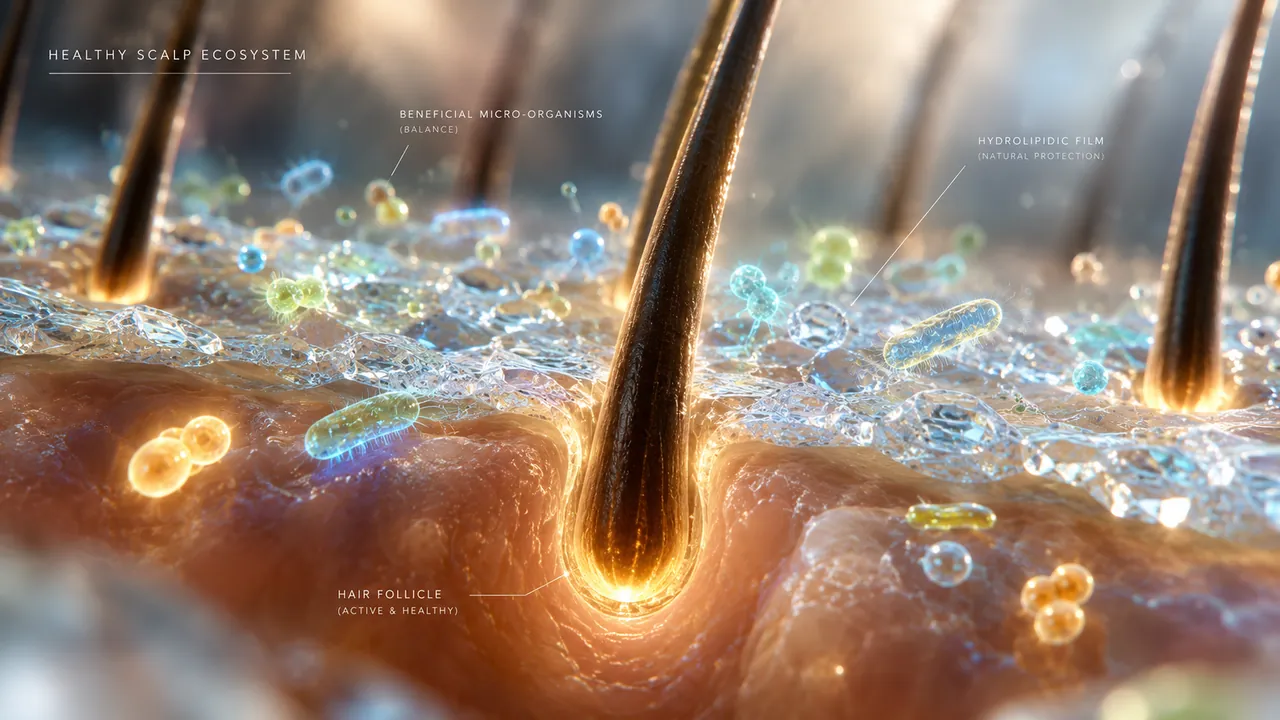
This balance remains highly dynamic. It shifts with age, hormones, the seasons, how often you wash, the hardness of the water and stress. When this balance moves, the scalp shows it through clear signals: itching, a feeling of tightness, flaking or excess sebum.
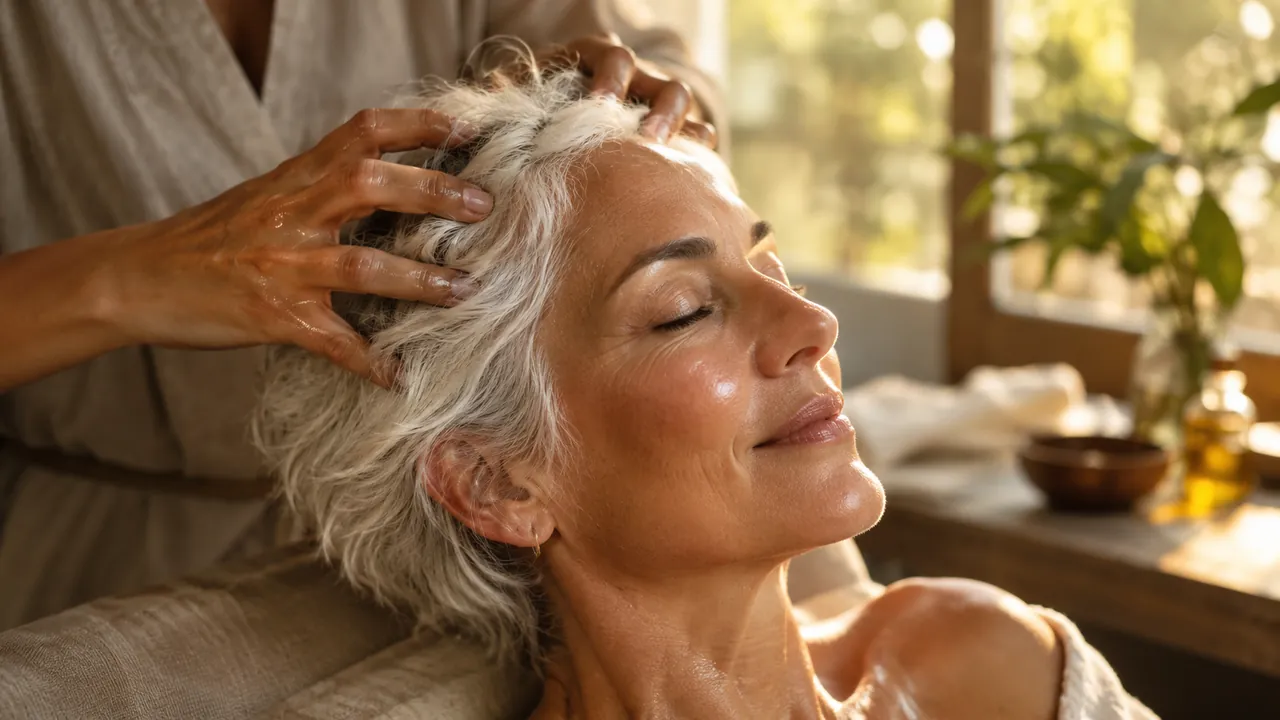
Caring for your hair fundamentally begins with caring for the skin that carries it. This attention takes the form of very simple gestures: lukewarm water, a thorough rinse, a washing rhythm suited to your own scalp, and gentle fingertip massages that stimulate blood microcirculation.
The hair cycle, in three phases
Each follicle works completely independently, following an unchanging rhythm.
1Anagen
Growth
2 to 6 years
The active growth phase, which concerns the vast majority of your hair. This is when the fibre is made, bearing the imprint of your diet, your sleep and your hormonal balance.
2Catagen
Transition
2 to 3 weeks
A brief transition, during which the follicle contracts and activity comes to a halt.
3Telogen
Rest
about 3 months
The resting phase, at the end of which the hair leaves to make way for the next.
Then the cycle begins again, in each follicle, at its own pace.
Losing between fifty and a hundred hairs a day is part of the normal working of this cycle. Because the follicles are perfectly out of step with one another, your hair keeps all its density while each one moves forward at its own pace.
Caring for your hair begins with caring for the skin that carries it.
What this changes for a silver fibre
The hair cycle continues in exactly the same way on a depigmented hair: growth, transition and rest remain unchanged. What evolves lies in the composition of the fibre produced and in its intimate relationship with light.
The ground now matters even more. A fibre that has left behind the protection of pigment benefits supremely from a balanced, well-hydrated and well-irrigated scalp. Our approach therefore always begins with the ground, before turning to the shine.
Pigment, a shield from the past
Melanin colours the hair, but it also fulfils a major protective mission: it absorbs part of the light radiation and protects keratin from the effects of oxidation.
On a depigmented hair, light reaches the structure of the fibre directly. As it oxidises, the fibre develops warm tones: first a slightly golden ivory, then a more pronounced yellow, especially visible on the lengths and ends, the oldest parts of your hair. Here the sun works together with hard water, pool water, pollution and certain product residues. This yellowing comes from oxidation far more than from dirt, which completely transforms the way we respond to it.
What truly helps
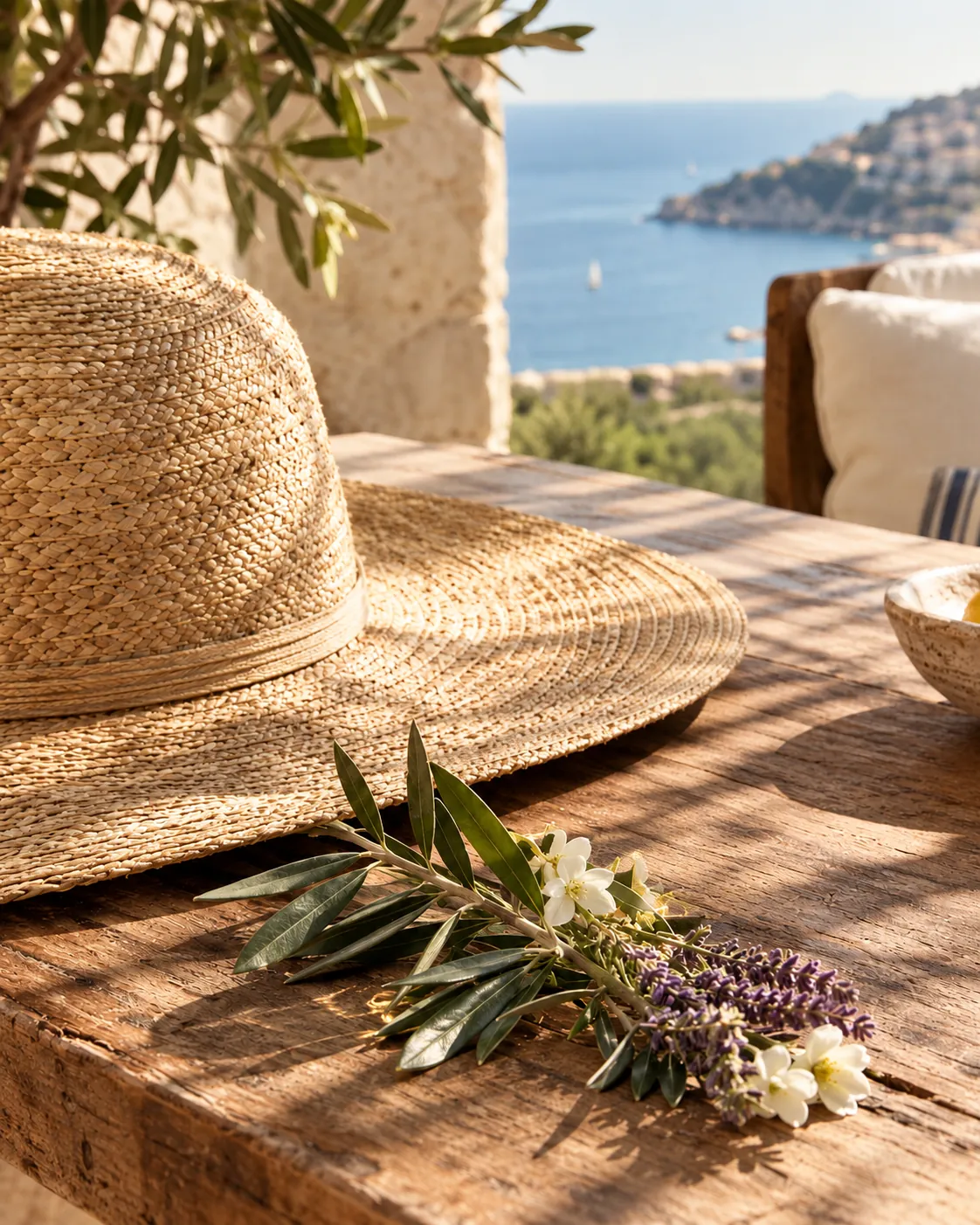
- Cover up, quite simply. A wide-brimmed hat during the brightest hours outdoes every treatment applied afterwards.
- Rinse after swimming. Clear water, as soon as you come out, neutralises the salt and chlorine that keep acting for as long as they remain on the fibre.
- Space out sources of heat. On a fibre already exposed, a very hot hairdryer and straighteners add unnecessary strain.
- Tell cleansing from neutralising apart. Scrubbing harder dries the fibre, and dry hair catches warm tones even more intensely. Gentleness always works better.
Caring for your white hair becomes an art of living, a return to essentials and a celebration of your authentic radiance.
The Sanctuary
Nourishing radiance from within
Beauty radiates deeply from within, blossoming in calm and awareness.
For our first holistic ritual, we offer you a comforting approach to nutrition: a Moroccan-inspired carrot salad, slowly and gently simmered.
Choosing to simmer food offers incomparable softness. Slow, almost meditative cooking is an act of patience and of love for oneself. Scientifically, prolonged cooking (braised or pressure-cooked) softens plant cell walls. This slow process releases beta-carotene intensely, an antioxidant and essential precursor of vitamin A. It is this vital nutrient that actively stimulates the renewal of our skin cells, giving it that natural, luminous and plump radiance that reflects our inner vitality.
Appreciate the time as it does its work. This is how we truly nourish ourselves.

To this melting softness we add the vibrant warmth of Eastern spices: cumin, cinnamon, turmeric. These spices awaken the senses and the mind, while actively stimulating peripheral blood circulation. Rich, flowing blood irrigates the scalp, bringing the hair follicles the oxygen and micronutrients they need to strengthen your white or grey hair in full transition.
Take the time to peel, to slice delicately, to breathe in the scent of the rising spices. Appreciate the time as it does its work. This is how we truly nourish ourselves.

Art of Living
The Beguinage, a secret history of women’s emancipation
Far more than a group of dwellings, this movement represents one of the first quests for women’s emancipation in Europe.
At the heart of our search for well-being and community, we explore a historical way of life of fascinating power: the Beguinage.
The emergence of independent women’s power
From the twelfth century, in the flourishing regions of Flanders and France, independent and courageous women invented an unprecedented way of life. Those known as the Beguines chose to devote their lives to a deep spiritual and intellectual quest, while keeping their complete financial autonomy.
The society of the time viewed them with a mixture of fascination and astonishment. These intellectuals studied sacred texts, wrote philosophical treatises in their own language, provided holistic care and ran their own weaving or brewing businesses. They mastered the art of living by and for themselves, freeing themselves from marital authority and from the strict control of traditional cloisters.
They mastered the art of living by and for themselves.
The gaze of the Church and the shadow of the Inquisition
The ecclesiastical institution, seeking to maintain absolute authority over society, watched this dazzling freedom with growing concern. The very idea that women could reach spirituality directly and possess such knowledge deeply disturbed the established order. The Church saw this quest for independence as a major threat.
At the beginning of the fourteenth century, the Inquisition turned its wrath on these free spirits. In 1310, the mystic and writer Marguerite Porete, author of a book on the freedom of the soul, faced the flames of a Paris stake with absolute dignity. At the infamous Council of Vienne, in 1311 and 1312, the religious authorities officially condemned the movement.
Metamorphosis and survival of a legacy
Faced with this immense pressure, the Beguine movement showed extraordinary resilience through a strategic metamorphosis. To protect their lives and their communities, many Beguines continued their practices in the greatest secrecy. Others skilfully joined established religious orders, continuing to breathe their spirit of sisterhood into them from within.
In certain regions of Northern Europe, thanks to the protection of powerful local benefactors, the magnificent inner courtyards of the beguinages have crossed the centuries, keeping this sanctuary of women’s solidarity intact.
The rebirth of a luminous model
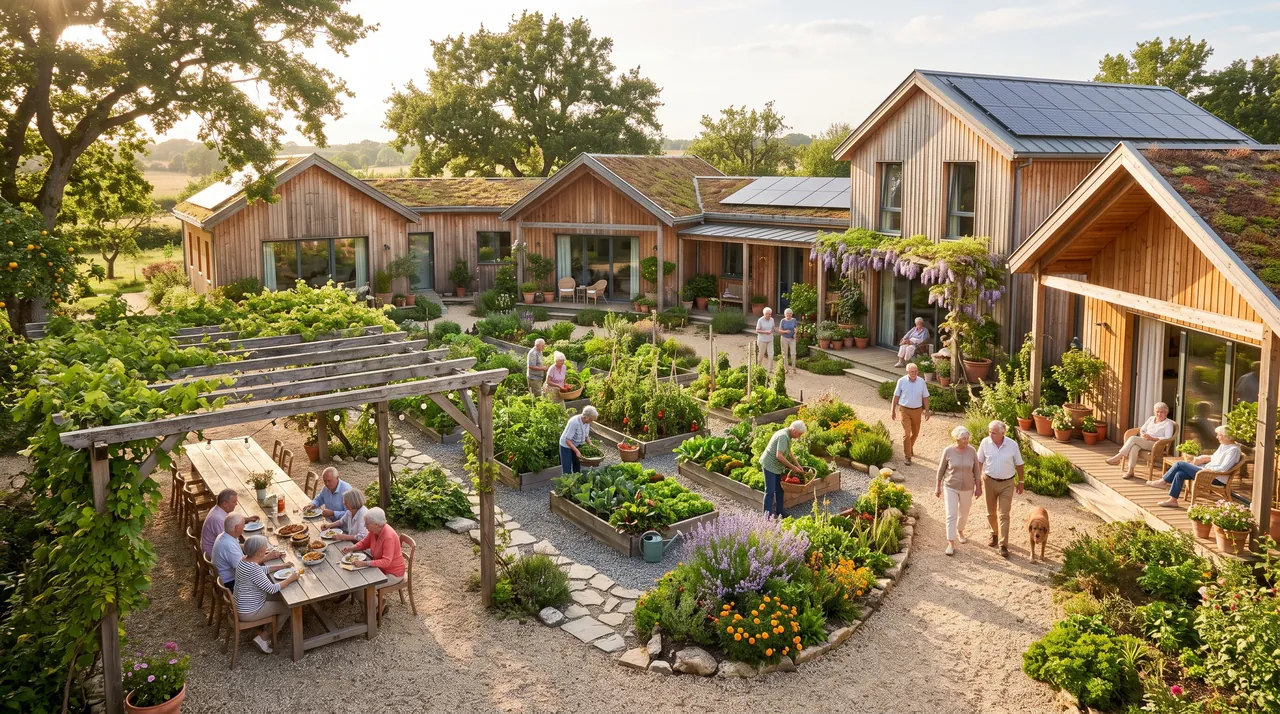
Today, the essence of this movement is enjoying a spectacular revival. The "modern beguinage" is blossoming again all over France, offering a luminous path for seniors to flourish. This contemporary model celebrates the perfect balance between the comfort of a home of one’s own and the joy of shared spaces.
With our private forum, The Affrenchys, we are building the digital equivalent of this historic sanctuary. We are creating that central courtyard where every woman and every man affirms their individuality, while finding a space for listening, transmission and mutual uplift. Let us reconnect with the boldness and wisdom of these pioneers to move through our own era with grace and strength.
Discovery
Cartagena de Indias, pearl of the Caribbean
There are cities that do more than welcome travellers: they enchant them.
By Juliana Sofía
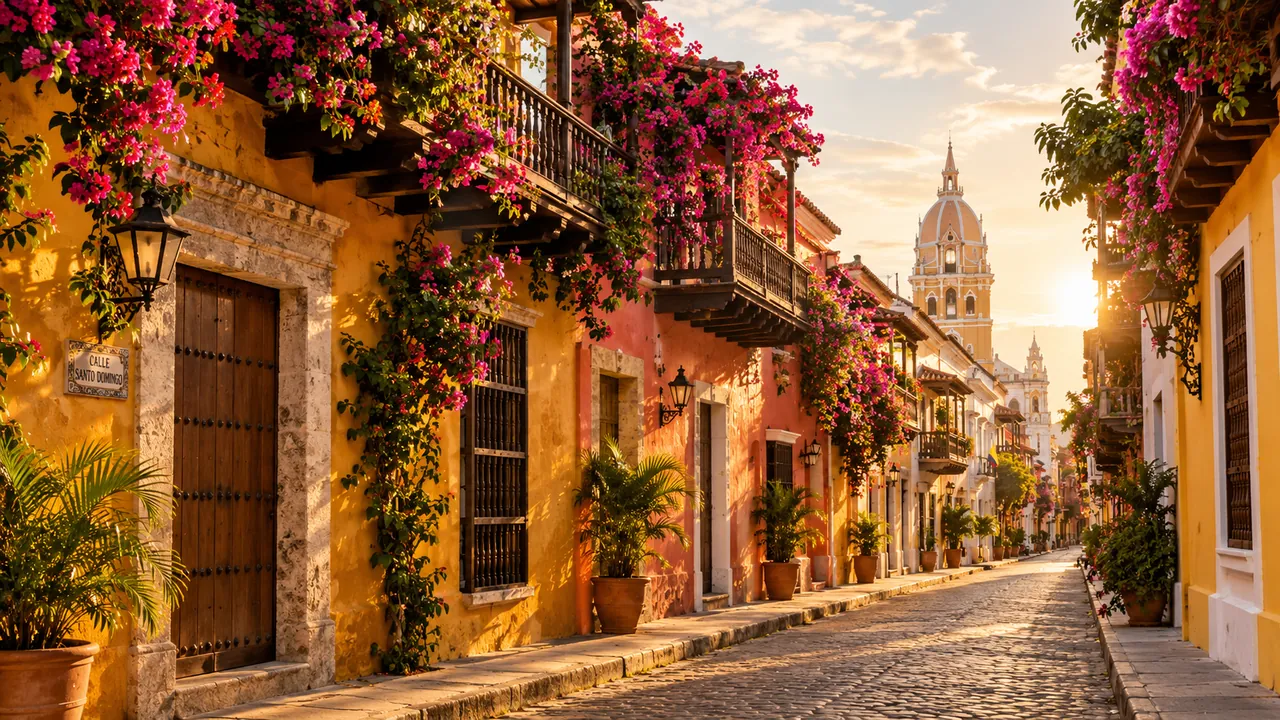
Set on the shores of the Caribbean Sea, Cartagena de Indias unfolds a kaleidoscope of colours, centuries of history and living traditions. This fortified city, a World Heritage Site, invites you on a timeless journey, where every alley whispers the story of a prestigious past. It is the city where I grew up: I spent ten years there, enchanted by its history and cultural richness. I invite you to discover my beautiful Cartagena de Indias.
The embrace of the ramparts and colonial magic
Founded in 1533, Cartagena first reveals itself through its imposing walls, built long ago to protect the city from the assaults of the sea and of corsairs. Passing through its gates is like stepping into an open-air film set. The façades of the colonial houses are dressed in flamboyant shades, ochre, coral, saffron yellow and emerald green, while wrought-iron balconies overflow with dazzling bougainvillea.
Strolling through the historic centre brings a constant visual intoxication. Shady squares, baroque churches and hidden courtyards reveal an architecture where European grace meets tropical warmth.
A culture squared, between roots and creativity
The soul of Cartagena beats to the rhythm of a unique cultural blend, woven from Indigenous, African and European influences. Music lives on every street corner: notes of salsa, cumbia and champeta drift softly through the warm air at the end of the day.
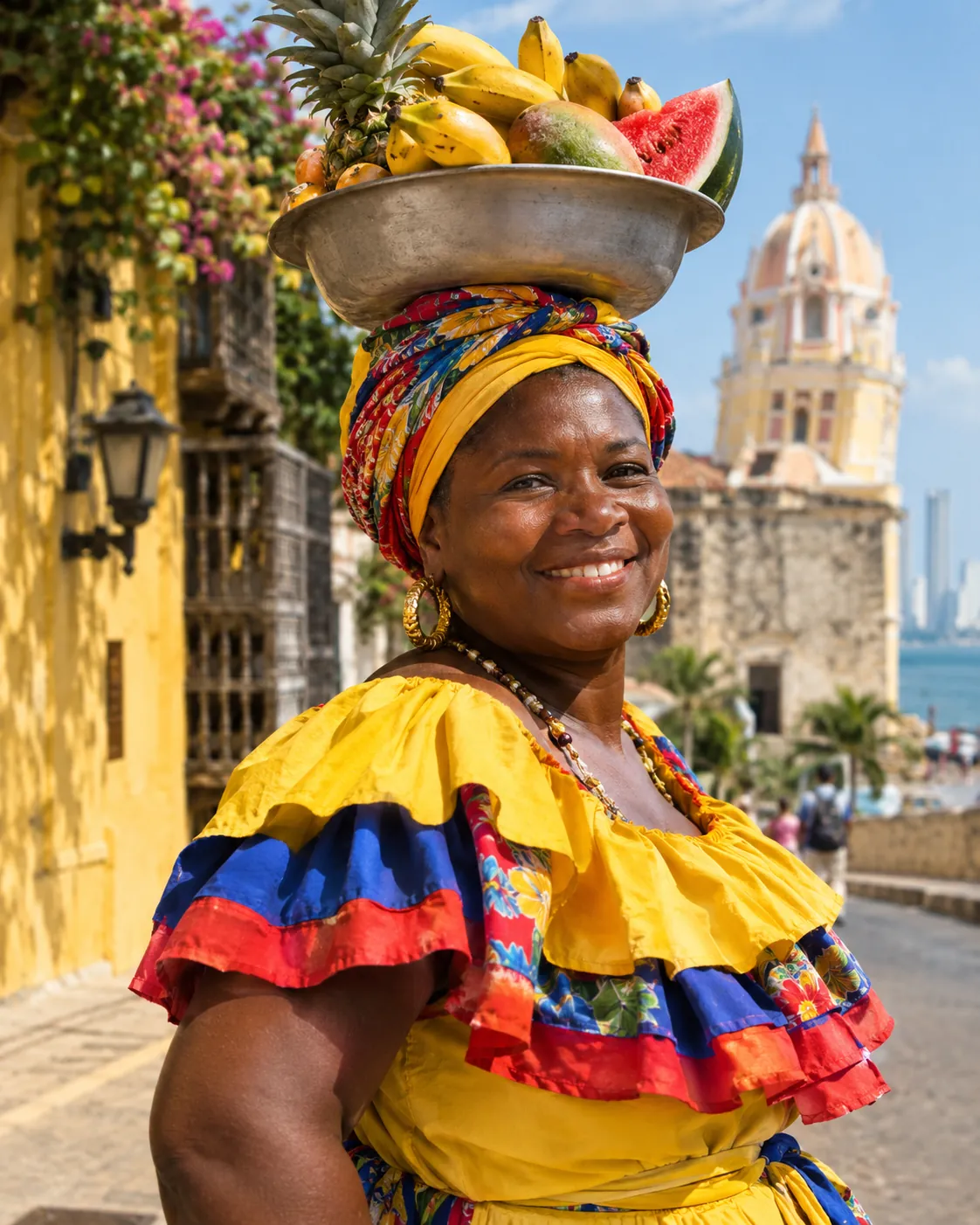
The Palenqueras, those majestic women dressed in a thousand colours who carry baskets of fresh fruit on their heads, embody the pride, strength and freedom of the women of this beautiful land. Their presence lights up the city and carries on a cultural tradition.
An invitation to marvel, to slow down and to celebrate the beauty of the world.
The promise of Caribbean cuisine
Discovering Cartagena inevitably means awakening the senses through its cuisine. The local gastronomy celebrates the generosity of the Caribbean by marrying the fruits of the sea with the riches of the land.
Flavours intertwine boldly: the catch of the day comes with patacones, golden fried plantains, all lifted by the sweetness of coconut milk and the freshness of lime. Tasting an arepa de huevo con carne molida in a sunny square, or savouring a seafood dish facing the sunset over the ramparts, is a moment of pure, simple and unforgettable happiness.
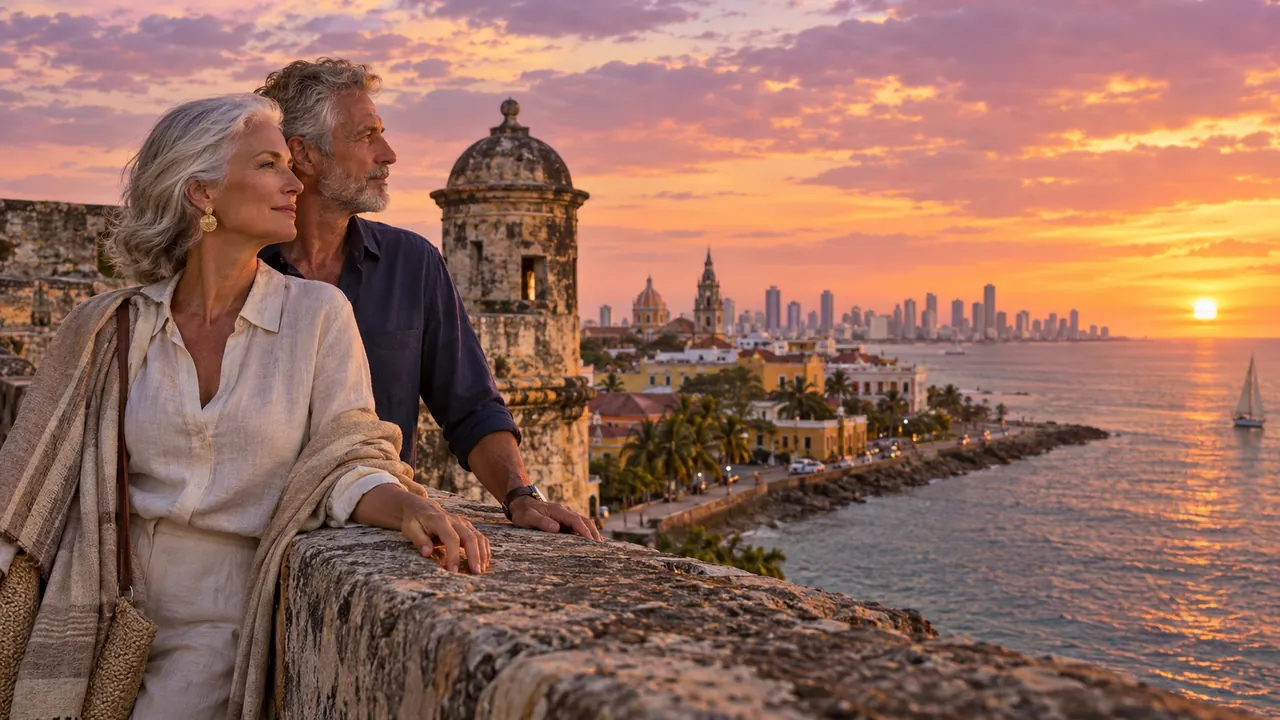
Cartagena de Indias offers far more than a change of scenery: it passes on a sunny, communicative energy. It is an invitation to marvel, to slow down and to celebrate the beauty of the world with a wide-open heart.
The Literary Circle
The power of memory and the symbolism of survival
To open our Literary Circle, let us dive with emotion into a work that marks the soul and the mind: Sarah’s Key, by Tatiana de Rosnay.
This novel, recognised among the masterpieces of European fiction, skilfully interweaves historical fact and intimate storytelling to offer us a profoundly moving read.
The weight of history

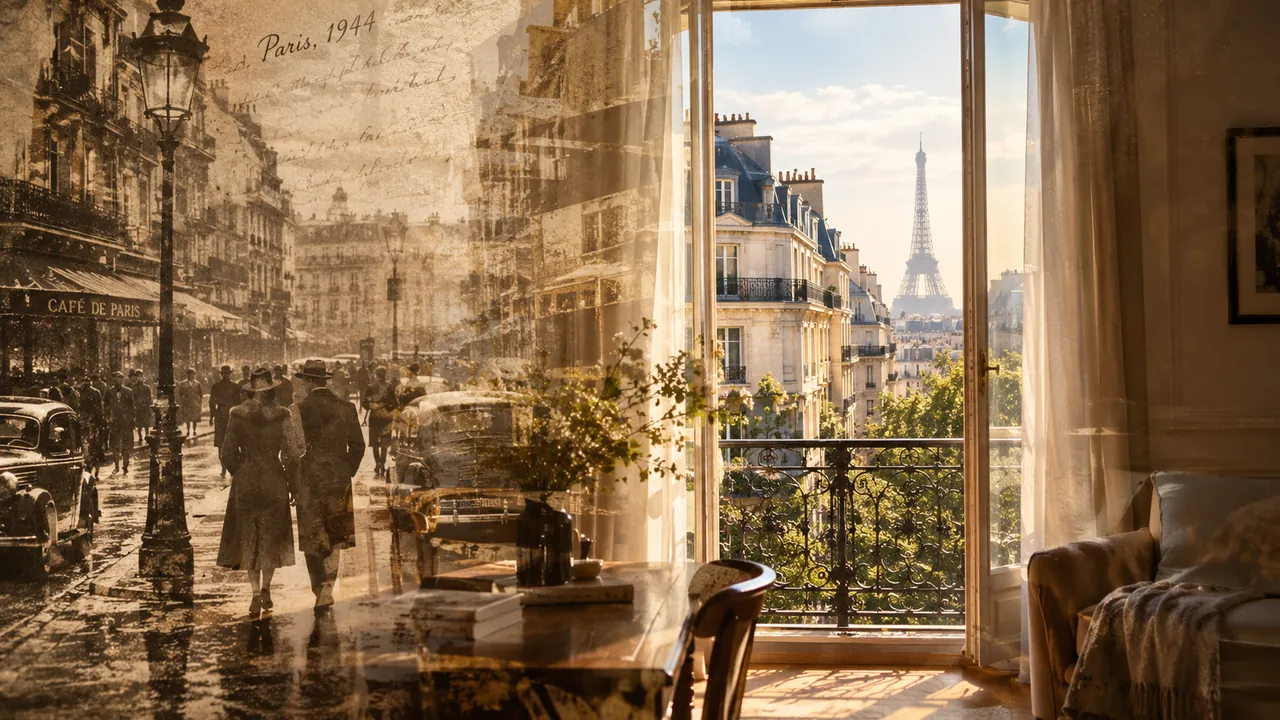
The story is anchored in a poignant historical reality. On 16 and 17 July 1942, the French police arrested 13,152 Jewish people in Paris and its suburbs. Among these lives brutally overturned were 5,919 women, 3,118 men and, heartbreakingly, 4,115 children.
Whole families, 8,160 people, were crammed into the Vélodrome d’Hiver, in the 15th arrondissement. In that enclosed space, they endured entire days in unimaginably harsh conditions, deprived of water and food, enveloped by the cruelty of the situation. The others arrested were sent to the Drancy camp. Their paths then led them to the camps of the Loiret, Pithiviers and Beaune-la-Rolande, and then to Auschwitz. Memory records the return of fewer than a hundred adults, and the tragic fate of every single child.
Two eras, one human thread
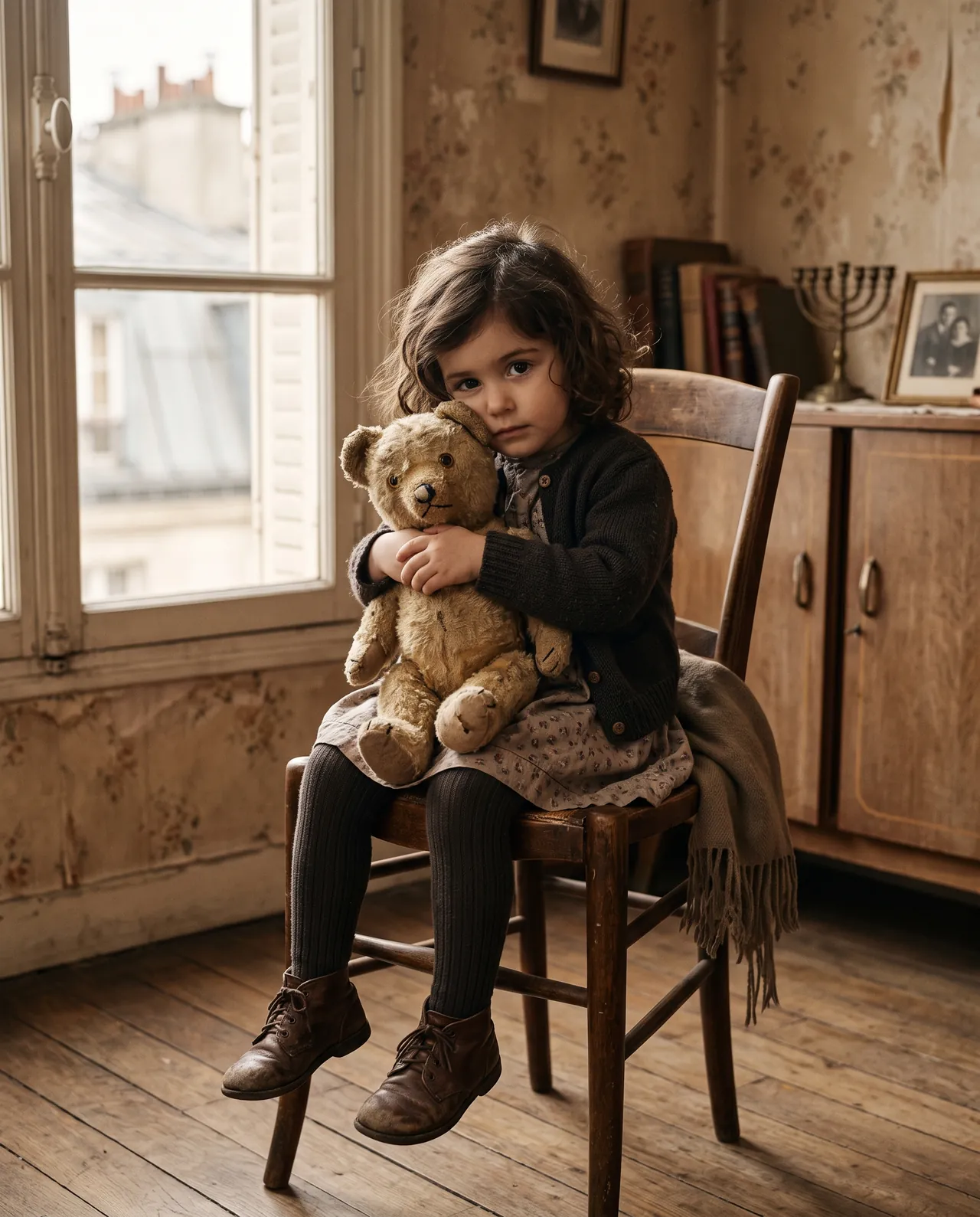
The structure of the story unfolds through two time perspectives destined to meet. We first follow young Sarah in 1942, who shows inspiring courage and independence as she tries to protect her little brother Michel. In parallel, sixty years later, the journalist Julia Jarmond investigates this family. Her discoveries lead her to question her own identity. This inner journey leads her to close a marriage and, finally, to build a new relationship.
Human cruelty
The novel deeply questions our human condition. It describes the unbearable treatment inflicted on the children and questions the human capacity to lose one’s humanity. Watching the police officers, the book raises a chilling question: how can men of flesh and blood, with families and children of their own to go home to in the evening, behave in this way, becoming true executing machines?
Knowing our history and facing it gives us the key to understanding our present.
The elegance of archetypes: violet and water
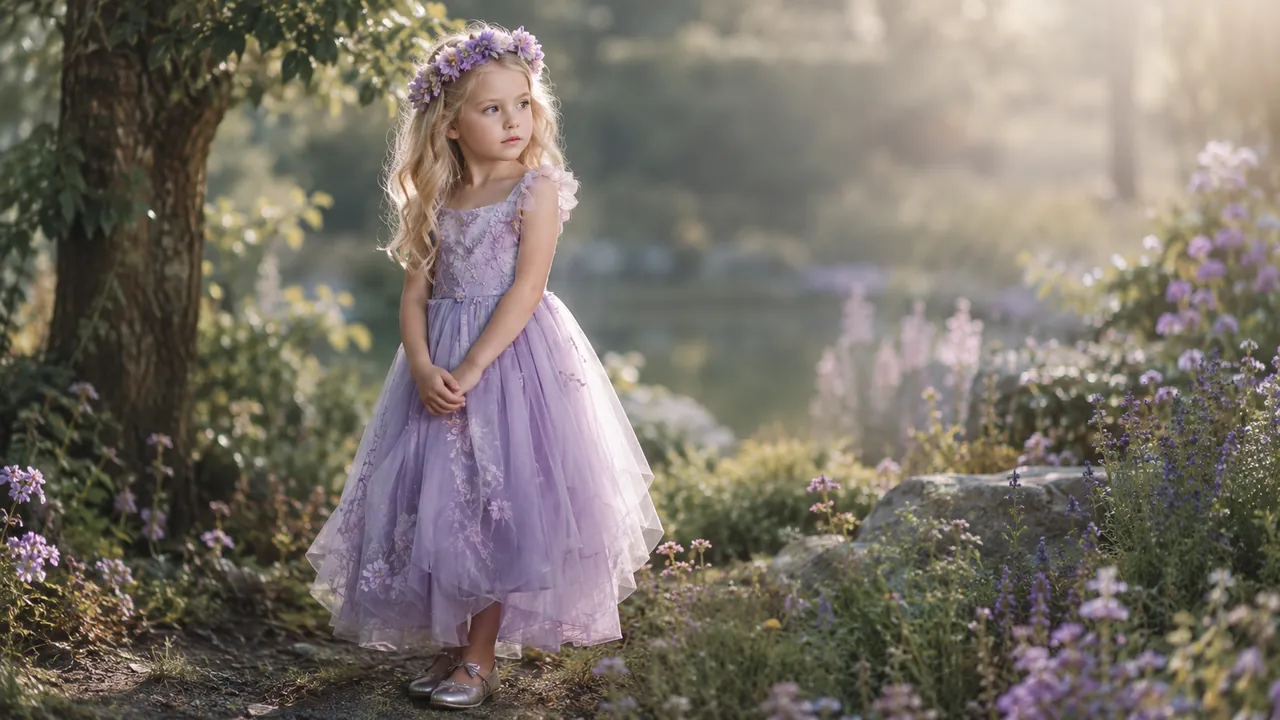
Tatiana de Rosnay’s pen uses powerful sensory symbols. The colour violet runs through the work to embody nostalgia and the strength of memory: the striking vision of a little girl in a lilac dress, or the comfort of a towel delicately scented with lavender after a bath.

It is through this purification by warm water, the ultimate symbol of growth and rebirth, that the heroine affirms her true identity. As she comes out of the water, she asks to leave behind her childhood nickname, "Sirka", and to become fully Sarah Starzynski.
This book reminds us that knowledge holds priceless power. Knowing our history and facing it gives us the key to understanding our present and to ensuring the creation of a better future. Keeping this memory alive is the very foundation of our humanity.
We will be delighted to discover the books that nourish your inner world. Share your recommendations in the Literary Circle room of The Affrenchys, or write to us at contact@affrenchy.com: they will shape the next explorations of our Circle.
The Affrenchys
The issue closes, the conversation begins
In the private salon of The Affrenchys, every section continues: your questions about silver hair, your recipes, your travels, your reading. Choose a pseudonym, and come in.
Join The AffrenchysEvery Monday
Receive the next issue
Issue No. 02 comes out on Monday 26 October 2026. Receive it in your inbox, first thing in the morning.
The Affrenchy Magazine · No. 01 · 19 October 2026. Publisher: Juliana Sofía Bernal Flórez. Science section: Dr Maritza Flórez, dermatologist and trichologist. Illustrations created with artificial intelligence.
This magazine informs and inspires. For any personal situation, your doctor remains your best ally.